

Zero trust architecture is a cybersecurity model that assumes no user, device, or system should be automatically trusted, regardless of whether it is inside or outside a corporate network. Traditional security models often relied on perimeter defenses that assumed internal network activity was safe once access was granted. However, modern digital environments include cloud services, remote work, and mobile devices, which make fixed network boundaries less reliable. Zero trust replaces this assumption with continuous verification of identity, access rights, and device security. By requiring authentication and validation at every interaction, this model reduces the risk of unauthorized access and strengthens overall enterprise security.
Shifting Away from Perimeter-Based Security
For many years, enterprise cybersecurity strategies focused on protecting the boundaries of internal networks through firewalls and gateway defenses. This perimeter-based approach assumed that threats primarily originated outside the network. As organizations adopted cloud computing, distributed systems, and remote collaboration tools, this assumption became less effective. Zero trust architecture addresses this shift by eliminating the concept of a trusted internal network. Instead, access to resources is controlled through strict identity verification, device checks, and contextual analysis. This transformation reflects the reality that modern enterprises operate in interconnected digital ecosystems rather than isolated network environments.
Continuous Authentication and Access Control
 A defining feature of Zero trust architecture is continuous authentication. Instead of granting broad access after a single login, systems continuously evaluate whether users and devices meet security requirements. Authentication methods may include multi-factor verification, device posture checks, and behavioral analysis. Access to data and applications is granted based on the principle of least privilege, meaning users receive only the permissions necessary for their roles. This approach minimizes potential damage if credentials are compromised. Continuous monitoring ensures that unusual activity can trigger immediate restrictions or additional verification, strengthening protection against internal and external threats.
Enhancing Visibility and Threat Detection
Zero trust frameworks also improve visibility into network activity within enterprise systems. Since every access request is authenticated and logged, organizations gain detailed insights into how users interact with applications and data. This transparency helps security teams detect anomalies, identify suspicious behavior, and respond to potential threats more quickly. By analyzing patterns in access requests and system usage, enterprises can recognize early signs of unauthorized activity or compromised credentials. Increased visibility not only supports faster incident response but also contributes to more informed cybersecurity strategies and risk management.
Challenges in Implementing Zero Trust Systems

Despite its advantages, implementing a Zero trust architecture can pose operational and technical challenges for organizations. Transitioning from traditional security models often requires significant changes to network infrastructure, identity management systems, and internal policies. Integrating security controls across cloud platforms, legacy systems, and third-party services can also be complex. Employees may need to adapt to new authentication processes and stricter access policies. Successful adoption, therefore, depends on careful planning, strong governance frameworks, and ongoing monitoring to ensure that security improvements do not disrupt essential business operations.
Zero trust architecture is redefining enterprise cybersecurity by shifting the focus from perimeter defense to continuous verification and strict access control. By eliminating automatic trust within networks, organizations can better protect sensitive data and digital systems in increasingly complex technological environments. The model strengthens security through persistent authentication, improved visibility, and the principle of least privilege. Although implementation can require significant adjustments, the long-term benefits include stronger protection against evolving cyber threats and a more resilient security framework for modern enterprises.…
 Thunder VPN is a free, easy-to-use virtual private network app designed to mask your IP address and encrypt your internet connection. This means you can browse websites anonymously, protect your data from hackers on public Wi-Fi, and even access geo-restricted content like streaming services or websites that might be blocked in your region.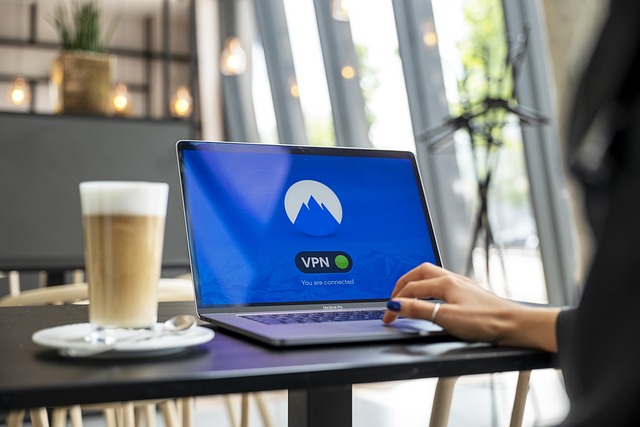
 Getting started is easier than you might think. First, head over to the official BlueStacks website and download the emulator setup file. Once downloaded, run the installer and follow the on-screen instructions to complete the installation. The process typically takes a few minutes depending on your PC.



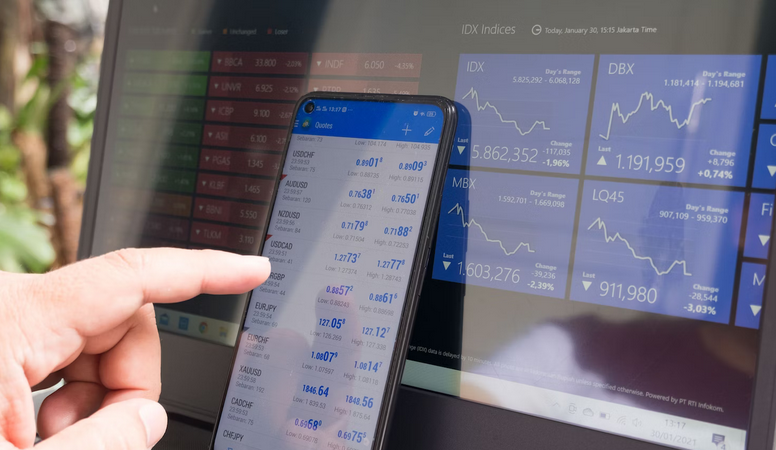


 The online gambling revolution has been one of the most significant changes in the sector over the past decade. With the rise of internet access and mobile devices, more people than ever before can gamble from anywhere at any time. This has led to a significant increase in revenue for online gambling companies. One key advantage of online gambling is convenience. Players can now place bets without leaving their homes.
 One of the main factors determining the price of a background check is the depth of the search. The deeper the search, the more information you will be able to find, and the more expensive it will be. Some companies only search public records, while others will also search private databases. The depth of the search will also determine how long it takes to complete the background check.
 Self-driving cars will revolutionize the way we travel. They will make our roads much safer, as fewer accidents will be. According to a study by McKinsey & Company, self-driving cars could reduce traffic fatalities by 90%. This is because self-driving cars are much more careful than human drivers. They obey the rules of the road and never get distracted. They also have sensors that can detect obstacles and other vehicles, which helps them to avoid accidents.
 When choosing a hosting plan, it’s important to consider your needs. Are you looking for an essential website, or do you need more features? Will you be using WordPress or another CMS? What is your budget? Once you have answered these questions, you will be able to choose the right hosting plan. Many hosts offer a variety of plans, so be sure to compare the features and prices.
 For more information on how to add content to your website, be sure to check out our tutorials! And, as always, if you have any questions, contact the host’s customer service department for assistance. That’s it, These are our top tips for beginners who want to start using WordPress hosting. We hope you find them helpful.…
 There are many changes when it comes to how we create music nowadays. Professionals no longer rely on cumbersome equipment to record, mix and master projects. Thanks to tech innovations, you can create a music project as long as you have recording equipment, software, and a computer or laptop. Software firms like Image-Line make it easy to produce beats thanks to their DAW.
 With increasing tech changes and the growing speed of data transfer, working and distributing music is straightforward and an enormous range of opportunities are now available. Online distribution platforms such as Spotify, Audiomack, SoundCloud, YouTube, and more, make it easy to share and access music projects.
 As things become simpler, there is an escalating risk of music piracy. It affects the careers of musicians and their productivity. This trend proves to threaten the work of musicians and producers. Many artists agree that tech makes sharing simpler, thus, creating ways for fresh artists to enter the industry conveniently.





 Compact Design
 Source Of Power